

Quick answer
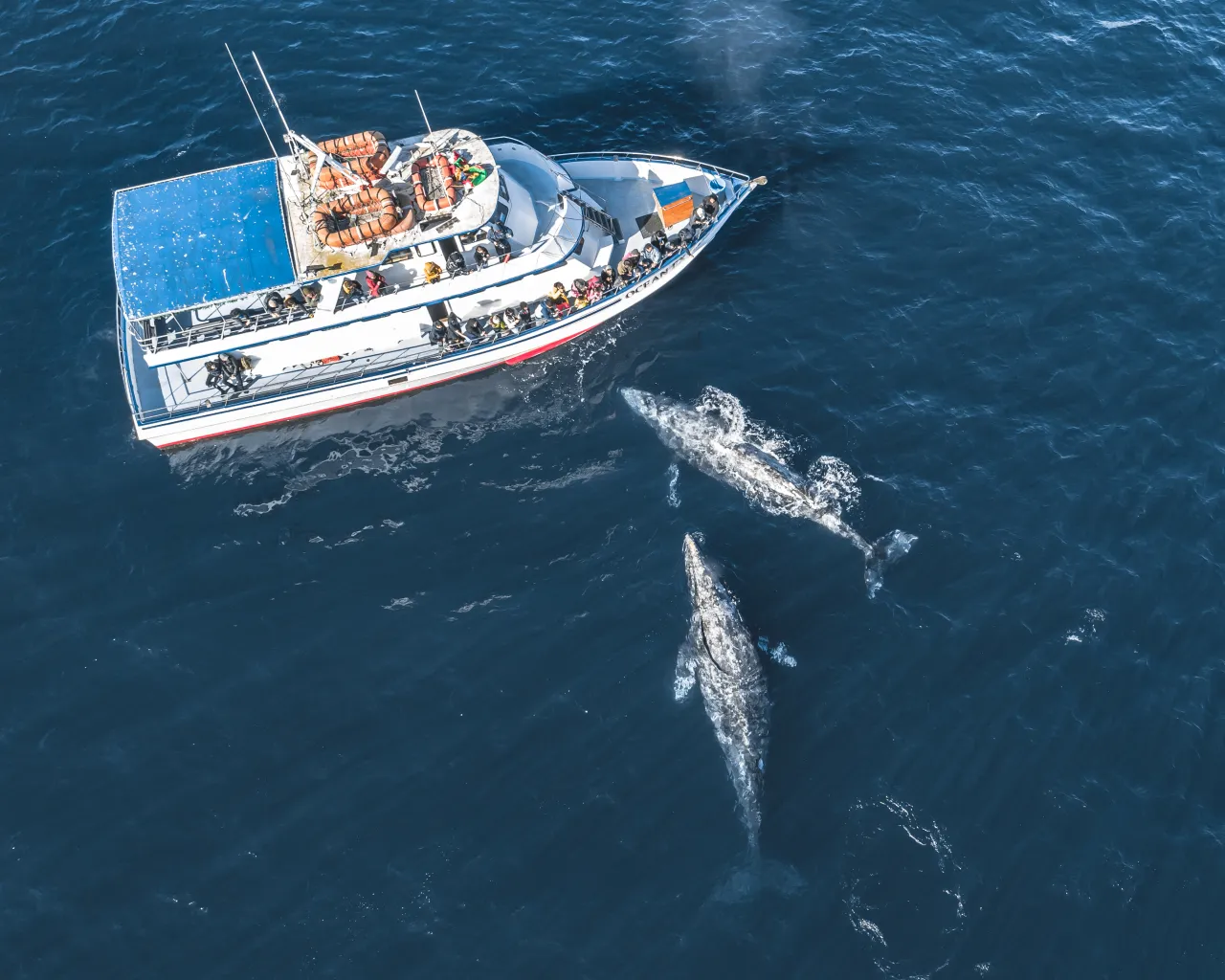
The best time of year for Newport Beach whale watching splits into two seasons: December through April brings gray whales migrating past the coast, while May through October favors blue and fin whales. Year-round dolphin pods make almost any month worthwhile. For calmer water and clearer sightings, choose a morning departure in the 08:00–10:00 window.
Two distinct whale populations pass Newport Beach on opposite calendars, which is why the question of timing has no single answer. Gray whales travel more than 10,000 miles between Arctic feeding grounds and Baja calving lagoons, tracing the coastline in winter and early spring. Blue whales, the largest animals ever known to exist, arrive later to feed on summer krill blooms offshore. Understanding this rhythm is the whole point of researching the newport beach whale watching best time of year, because the marine mammals a visitor sees depend entirely on the month they choose. The harbor itself sits at 309 Palm St #A, on the Balboa Peninsula, where boats leave from a small dock rather than a crowded terminal. Access to the waterfront is free; the ocean tour is the ticketed part. Naturalists aboard most cruises narrate the migration in real time, pointing out spouts, breaches, and the resident bottlenose dolphins that shadow boats through the channel. This is Pacific water, so conditions shift with the hour more than the season. A calm February morning can outperform a choppy July afternoon, which is why arrival timing matters as much as the calendar. None of this requires special gear or expertise. A visitor mainly needs to match expectations to the season and to leave enough margin for the water to cooperate. That is where a little research pays off more than a bigger camera. A practical newport beach whale watching tour plan starts with the ocean, not the parking lot. Morning departures between 08:00 and 10:00 tend to meet glassier water and softer light, both of which make distant blows easier to spot. Afternoon winds build swell that hides them. Families comparing a Newport Harbor cruise against options further up the coast should weigh crossing time: the local shelf drops off quickly, so sightings often begin within twenty minutes of leaving the dock. Reading a proper newport beach whale watching best time of year guide before booking saves the disappointment of arriving in a slack week expecting a spectacle. The animals keep their own schedule, but the odds are knowable, and planning around them is straightforward once the two seasons are clear.
“The animals keep their own schedule, but the odds are knowable.”
Choosing the Newport Beach Whale Watching Best Time of Year
While marine life is present year-round, the single best window is December through April during the gray whale migration. These months offer the most consistent nearshore sightings as the whales travel close to the coastline.
December to April
Moderate except during holiday breaks.Cool air, 47°F to 68°F.
This period aligns with the gray whale migration. Visitors frequently spot whales traveling near the shore along with large dolphin pods.
May to November
High during summer vacation months.Warm and dry, 62°F to 85°F.
Warm summer and fall waters attract massive blue whales and humpback whales to feed on krill. Sleek fin whales are also common during these months.
Weekday mornings
Lower passenger counts on boats.—
Selecting the best arrival window of 08:00–10:00 is highly recommended. Morning cruises offer calmer ocean conditions and better visibility for whale sightings.
Verdict: For the calmest ocean conditions and lowest crowds, choose a Tuesday or Wednesday morning between 08:00–10:00 in either April or October.
Gray Whales vs. Blue Whales: Newport Beach Whale Watching Best Time of Year
Visitors planning a Newport Beach whale watching excursion face a choice between two distinct migratory patterns: the winter-spring gray whale migration or the summer-fall blue whale feeding season.
| Gray Whale Season Winter & Spring |
Top pick Blue Whale Season Summer & Fall |
|
|---|---|---|
| Peak Months | December through April, with peak southbound movement in January and northbound mothers with calves in April. | May through November, with the highest concentration of feeding activity occurring between June and August. |
| Primary Species Seen | Migrating gray whales, year-round finback whales, humpback whales, common dolphins, and inshore bottlenose dolphins. | Feeding blue whales, finback whales, humpback whales, minke whales, Risso's dolphins, and offshore common dolphin pods. |
| Typical Behaviors | Continuous linear travel, consistent blowhole spouting, deep fluke dives, and protective mother-calf pairs navigating close to the surf line. | Deep-water lunge feeding on krill, long breathing intervals at the surface, massive vapor spouts, and occasional fluking before deep dives. |
| Average Ocean Temperatures | 55°F to 61°F (13°C to 16°C), requiring warmer layers and windproof jackets for passengers on open-air boats. | 62°F to 69°F (17°C to 21°C), providing milder, warmer conditions on the water with less severe wind chill. |
| Vessel Proximity | 100-yard federal legal minimum approach; migrating whales frequently travel close to the shallow coastal shelf and beach line. | 100-yard federal legal minimum approach; feeding whales typically forage miles offshore around the deep Newport Submarine Canyon walls. |
Verdict: Choose the winter-spring gray whale season to observe active coastal migration and maternal pairs, or select the summer-fall blue whale season to target the largest baleen whales feeding in deep water canyons.
Common Misconceptions About the Newport Beach Whale Watching Best Time of Year
Conflicting online advice and shifting seasonal migration patterns lead to frequent misconceptions about when and how to spot whales off the Newport Beach coast. Clarifying these behaviors helps visitors set realistic expectations for their excursions.
MythWhales only surface to breathe and show active behaviors during the middle of the day.
FactWhale activity does not follow a set daily schedule. Booking a morning cruise between 08:00 and 10:00 is recommended because calmer seas and reduced wind make spotting blows easier.
MythYou cannot spot any whales if the weather is cloudy or raining.
FactWhales are mammals that must surface to breathe regardless of cloud cover or rain. Tours run in overcast conditions, and sightings remain frequent as long as wind and swells are minimal.
MythYou must travel hours into the deep ocean to see migrating whales.
FactNewport Beach features a deep submarine canyon very close to the harbor entrance. This underwater structure allows deep-water species to feed near the shore, making long transit times unnecessary.
Insider Tips for Maximizing Your Newport Beach Sightings
To secure the best chances of spotting whales off Newport Beach, travelers can use local oceanographic patterns and daily marine updates to plan their trips.
Monitor the marine layer
Morning coastal fog can obscure visibility, so track local weather forecasts to time departures right as the haze burns off.
Target the submarine canyon
Ask if captains are navigating near the Newport Canyon edge, where the floor drops to 2,000 feet, forcing nutrients and krill upward.
Prioritize the early window
Booking departures during the 08:00–10:00 window offers calmer ocean conditions and better visibility for whale sightings.
Analyze recent sighting reports
Study the online daily logs from local operators to identify active zones and pod movements before choosing your departure date.
Watch for bird feeding frenzies
Scan the horizon for diving gulls and pelicans, which reveal baitfish schools that humpbacks and fin whales actively pursue.
Account for Santa Ana winds
Be aware that dry offshore wind events can temporarily push warm surface waters out, shifting feeding whales further from the coastline.
Reduce ocean glare
Use polarized lenses to filter out harsh water surface reflections, allowing you to spot underwater shadows and distant spouts more easily.
Seasonal Prep: Checklist for the Newport Beach Whale Watching Best Time of Year
Ocean temperatures off Newport Beach shift through the year, so pack for the water rather than the shore before your morning cruise.
-
Reserve your tour in advance
-
Booking early through newportwhales.com secures your preferred sailing and confirms departure timing.
-
Pack a wind-resistant outer layer
-
Open-water wind stays cool year-round, even when the coast feels warm.
-
Add fleece or insulation in winter
-
December through March waters run coldest, so layer under your shell.
-
Bring polarized sunglasses and sunscreen
-
Glare off the water is strong across all seasons and reflects upward.
-
Wear closed-toe, non-slip shoes
-
Wet decks get slick, and open sandals leave feet exposed to spray.
-
Carry a light rain shell in spring
-
Spring mornings can bring marine-layer drizzle before the sky clears.
-
Arrive during the 08:00–10:00 window
-
Morning cruises offer calmer ocean conditions and better visibility for whale sightings.
Operating Hours and Departure Schedules
The reservation office located at 309 Palm St #A operates daily from 07:00 to 20:00, allowing visitors to coordinate bookings and check in for daily whale watching excursions.
| Monday | 07:00–20:00 | Morning arrival suggested |
|---|---|---|
| Tuesday | 07:00–20:00 | Morning arrival suggested |
| Wednesday | 07:00–20:00 | Morning arrival suggested |
| Thursday | 07:00–20:00 | Morning arrival suggested |
| Friday | 07:00–20:00 | Morning arrival suggested |
| Saturday | 07:00–20:00 | Morning arrival suggested |
| Sunday | 07:00–20:00 | Morning arrival suggested |
While the physical office hours remain consistent year-round, specific cruise departure times are adjusted dynamically depending on seasonal sunset patterns and daylight availability.
Top Attractions to Visit Nearby After Your Cruise
Newport Harbor sits steps from historic boardwalks and coastal reserves, making it simple to plan a full day of activities before or after your cruise.
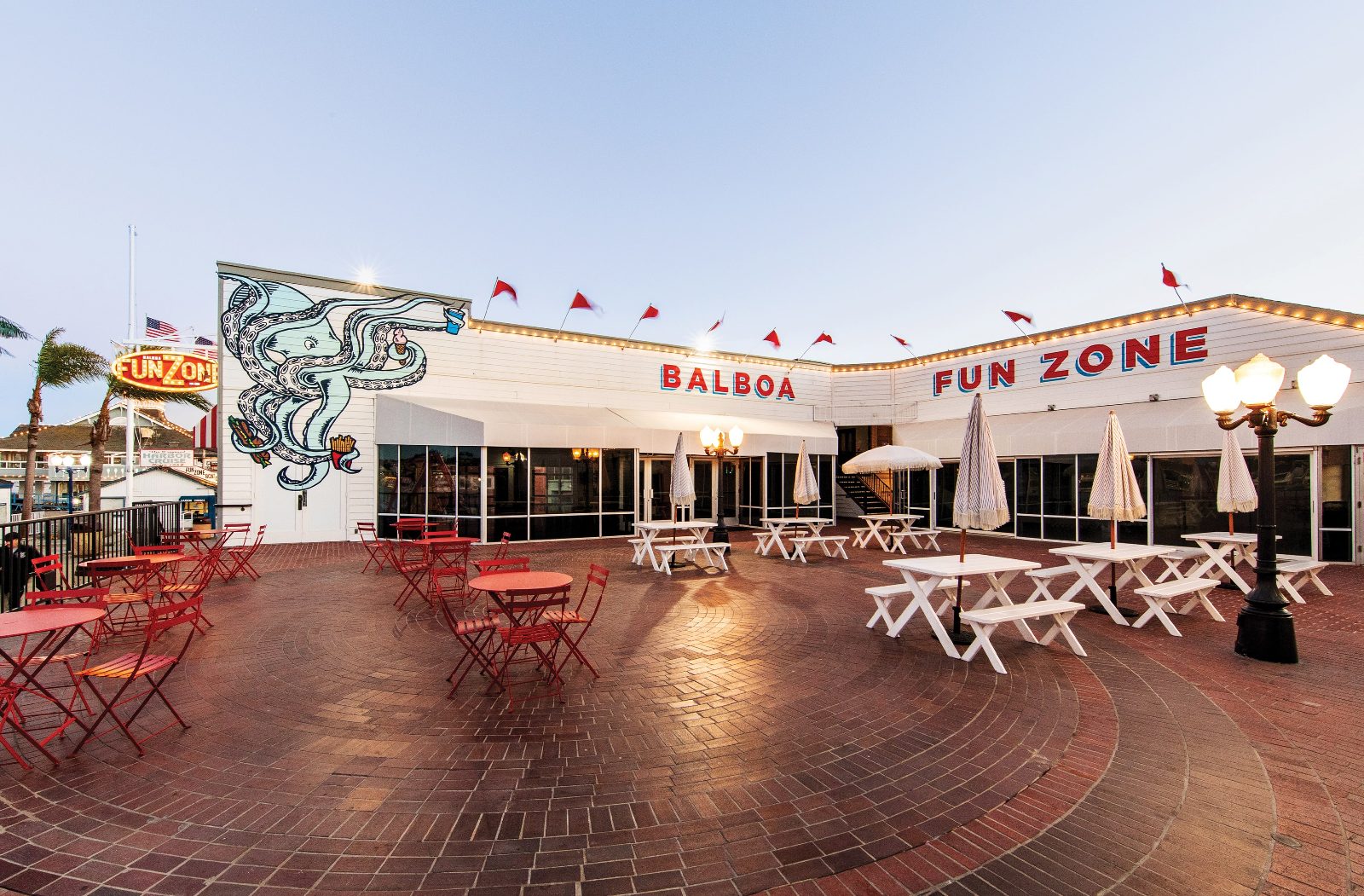
Balboa Fun Zone
This historic coastal amusement area features a Ferris wheel and harbor-view dining right next to the departure docks.
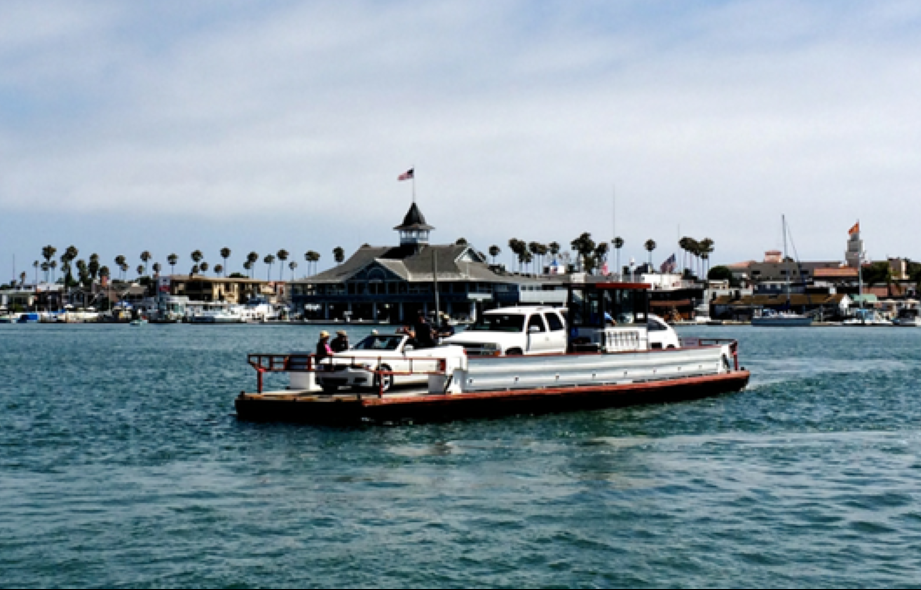
Balboa Island Ferry
Board this historic three-car ferry to cross the channel to Balboa Island for local boutiques and dining.
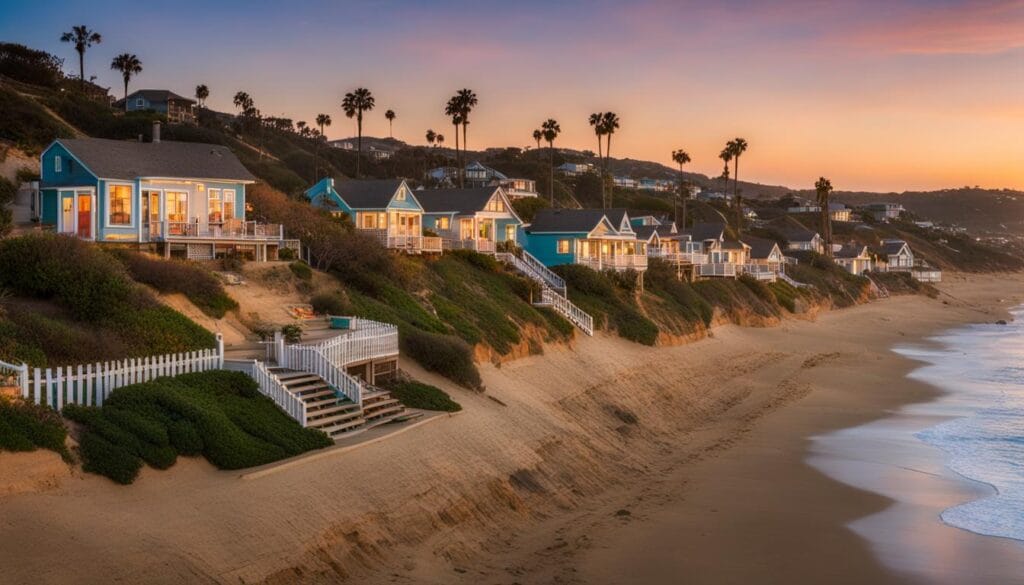
Crystal Cove State Park
Explore tide pools, historic 1930s beach cottages, and miles of sandy coastline just south of the harbor.
Check availability
FAQ on Newport Beach Whale Watching Best Time of Year
Everything you need to know about newport beach whale watching best time of year