

Quick answer
Both harbors work well: Dana Point Harbor and Newport Harbor sit on the same waters, offer free public access, and put you closest to whales on morning trips that leave between 08:00 and 12:00. The real choice is fit, not wildlife — pick the harbor nearest your stay, since both reach the same migrating grays, blues, and dolphin pods.
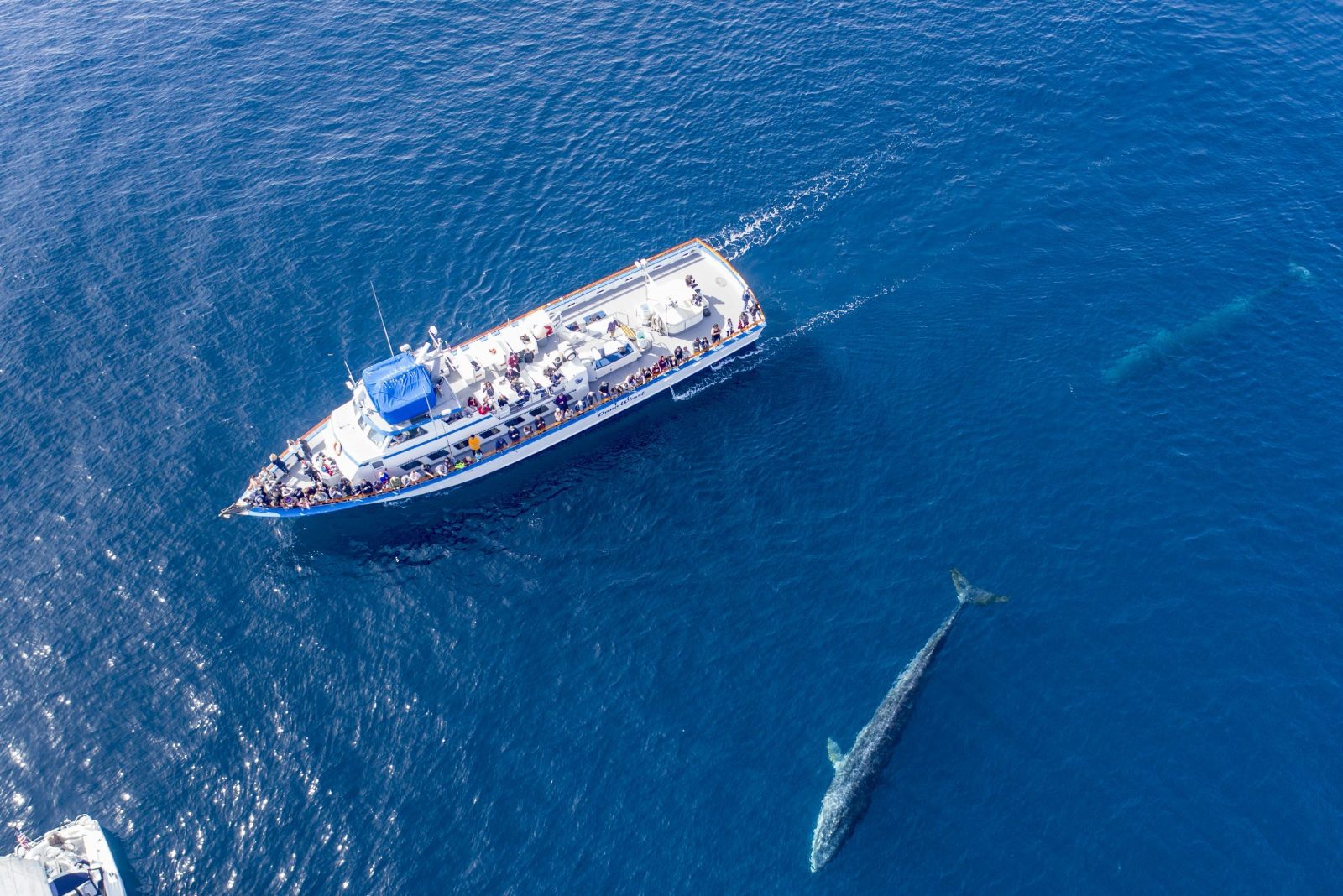
The waters off Orange County host some of the most reliable cetacean sightings on the West Coast, with resident dolphin pods numbering in the thousands and seasonal visits from the largest animal ever to live, the blue whale. That density of marine life is what makes dana point vs newport beach whale watching such a common question for visitors weighing two harbors barely twenty miles apart. Both departure points sit on the same stretch of the Pacific, so the animals a boat encounters — gray whales tracing their migration, fin whales, common dolphins riding the bow, the occasional humpback — are broadly shared between them. The difference the reader is really chasing is rarely about the wildlife and more about logistics: how each harbor is laid out, what the departure rhythm feels like, and which fits an existing itinerary. Harbor entry itself is free at both Dana Point Harbor and Newport Harbor; the on-water trips are the ticketed part, booked separately. Context helps the comparison make sense. Dana Point leans into its identity as a whale-focused port, home to naturalist-led programs and a long tradition tied to the gray whale corridor. Newport Beach threads its trips through a working recreational harbor, so a sailing often begins with a slow glide past moored yachts before reaching open water. Both harbors' whale watching cruises share the season and the species, so neither is objectively better; they simply frame the same Pacific differently. For planning, treat the choice as a matter of fit rather than a search for a winner. A visitor already staying near one harbor rarely benefits from driving to the other. Those comparing Southern California whale watching tours for a first trip should weigh drive time, the mood of each port, and what else the day holds. The honest verdict on dana point vs newport beach whale watching is that both deliver access to the same rich waters, and the better pick is whichever harbor lets the traveler get on the water calmly, early, and without a rushed morning.
“The real question is rarely which harbor sees more whales, but which one lets you reach the water calmly and early.”
Dana Point vs Newport Beach Whale Watching — The Ultimate Head-to-Head Comparison
When deciding between whale watching in Dana Point and Newport Beach, the choice comes down to harbor transit times, ticket pricing, and underwater bathymetry. While both locations share the same coastline, their harbor designs and marine access create different passenger experiences.
|
Top pick Dana Point Whale Watching Direct Ocean Access & Canyons |
Newport Beach Whale Watching Budget-Friendly Options & Large Harbors | |
|---|---|---|
| Harbor Exit Time | 5 to 10 minutes from dock to open ocean | 20 to 30 minutes from dock to open ocean |
| Underwater Topography | Dana Point Canyon drops to 1,000+ feet deep just 1 mile off the coast | Newport Submarine Canyon drops to 1,000+ feet deep, located further from the dock entry |
| Vessel Types & Crowds | Smaller catamarans and zodiacs holding 20 to 149 passengers | Large multi-deck vessels holding 150 to 250 passengers |
| Average Tour Price | Adult tickets range from $45 to $85 per person | Adult tickets range from $19 to $40 per person |
| Parking and Access | Free harbor parking in designated lots; entrance fee is 0 USD | Paid public parking costing $1.50 to $3.00 per hour; entrance fee is 0 USD |
| Dolphin Sightings | Mega-pods of up to 10,000 common dolphins, plus Risso's and bottlenose dolphins | Pods of 50 to 500 common and bottlenose dolphins |
Verdict: Choose Dana Point if you want immediate access to deep-water canyons and smaller tour vessels, or select Newport Beach for more budget-friendly ticket options on larger boats.
Best Times for Dana Point vs Newport Beach Whale Watching Trips
The recommended arrival window is 08:00–12:00, as morning trips offer calmer seas and better visibility for spotting whales. Newport Harbor and Dana Point Harbor offer distinct viewing opportunities depending on seasonal migration cycles.
Winter to Spring (December–April)
High weekend attendanceCool, 55°F to 65°F with breezes
Thousands of migrating gray whales travel close to the shoreline on their round-trip journey to Baja California, with mothers and calves appearing in late spring.
Summer to Fall (May–October)
Peak seasonal crowd levelsMild, 65°F to 75°F and sunny
Warmer ocean temperatures bring blue whales feeding on krill near deep underwater canyons, alongside humpback and fin whales.
Weekday mornings
Minimal boat congestion—
Booking a departure on Tuesday, Wednesday, or Thursday offers a more relaxed environment and optimal morning sea conditions.
Weekends (Year-round)
Extremely busy on all vesselsVaries seasonally, 55°F to 75°F
Saturday and Sunday trips attract the largest passenger counts, meaning morning departures often sell out well in advance.
Verdict: For the quietest conditions and highest activity, choose Tuesday to Thursday departures during the 08:00–12:00 morning window in February or August.
Getting to the Docks: Newport Beach vs Dana Point Harbor Logistics
Reaching the docks in Orange County is straightforward using major Southern California freeways. Dana Point Harbor provides direct access off the Pacific Coast Highway with a spacious layout, while Newport Beach departures originate from the busier Balboa Peninsula, requiring navigation through local coastal streets.
I-5 South to Pacific Coast Highway and Dana Point Harbor Drive
SR-55 South to Newport Blvd and Balboa Blvd
OCTA Route 90 from Tustin Metrolink Station to Dana Point Harbor
OCTA Route 47 from Fullerton to Balboa & 23rd St
Crucial Tips for Your Dana Point vs Newport Beach Whale Watching Adventure
Prepare for your Southern California whale watching trip with these practical tips on choosing the right vessel and staying comfortable on the water.
Choose RIBs for Speed
Rigid inflatable boats (RIBs) travel up to 30 knots, allowing captains to reach whale sightings faster than larger catamarans. However, these vessels lack restrooms and are not recommended for those with back injuries.
Opt for Catamarans for Comfort
Larger catamarans offer stable platforms with indoor cabins, restrooms, and underwater viewing pods. Select these double-hulled vessels if you travel with young children or prefer a steadier ride in choppy open swells.
Dress for Temperature Drops
Ocean temperatures in Southern California keep the air on the water significantly colder than on land. Wear windproof outer layers, closed-toe shoes, and long pants even during sunny summer afternoons.
Prevent Motion Sickness Early
Take motion sickness medication at least one hour before departure rather than waiting until the boat starts moving. Sit near the center of the vessel where the pitch and roll are least pronounced.
Protect Gear from Salt Spray
Small RIBs ride close to the water surface, exposing passengers to frequent ocean spray. Bring a waterproof dry bag to shield cameras and phones, and use a lens cloth to clear salt residue.
Secure Loose Items Safely
Strong winds and sudden vessel accelerations can easily blow away loose caps, sunglasses, or hats. Use retaining cords for eyewear and avoid wearing unsecured sun hats on fast-moving vessels.
Myths and Realities of Dana Point vs Newport Beach Whale Watching
Misconceptions about Southern California whale watching often stem from localized tourism campaigns. In reality, the coastal geography ensures that both Dana Point and Newport Beach access the same marine life corridors.
MythDana Point has exclusive access to the migration path while Newport Beach has fewer sightings.
FactBoth locations share immediate access to the same coastal migratory highway. This geographic reality results in nearly identical sighting frequencies for major species throughout the year.
MythNewport Beach whale watching boats must travel much farther offshore to find whales.
FactA large marine protected area lies directly outside Newport Bay. Deep ocean trenches bring marine life and nutrient-rich currents close to the shore, facilitating quick nearshore sightings.
MythDana Point's capital title means it is home to different whale species than Newport.
FactThe designation is a registered trademark, not a biological boundary. Both harbors encounter the exact same seasonal populations of gray, blue, humpback, and fin whales as they move along the coast.
Where to Eat Near Newport Harbor and Dana Point Harbor
Both harbors provide diverse dining choices right next to the whale watching docks, ranging from sit-down waterfront dinners to quick coastal grab-and-go options. Visitors can enjoy fresh seafood on outdoor patios or walk a few blocks away from the water to find budget-friendly local favorites.
Woody's Wharf
$$$restaurant
Located along the channel on Newport's Balboa Peninsula, this harbor landmark offers dockside patio dining, fresh fish, and steaks right by the boat slips.
Harpoon Henry's (Historic Landmark)
$$restaurant
Historically located in Dana Point Harbor, this local icon served classic seafood and drinks on the water for fifty years before harbor redevelopment.
TK Burgers
$restaurant
Positioned on the Balboa Peninsula, this casual beach shack is the local choice to escape harbor prices with charbroiled burgers and fries close to the Newport pier.
Coffee Importers
$café
Situated in the heart of Dana Point Harbor, this daily cafe features patio seating, specialty espresso drinks, bagels, and fresh deli sandwiches near the main docks.
Frisby Cellars & Brewing
$$restaurant
Situated in the former Waterman's space at Dana Point Harbor, this venue offers an expanded outdoor patio, craft beer, wine flights, and light dining.
Nearby Attractions to Pair with Your Orange County Whale Cruise
Pairing your whale watching cruise with land-based attractions makes it easy to build a full-day itinerary in Orange County. Both harbors lie adjacent to historic waterfront districts that offer educational exhibits, local recreation, and scenic walks.
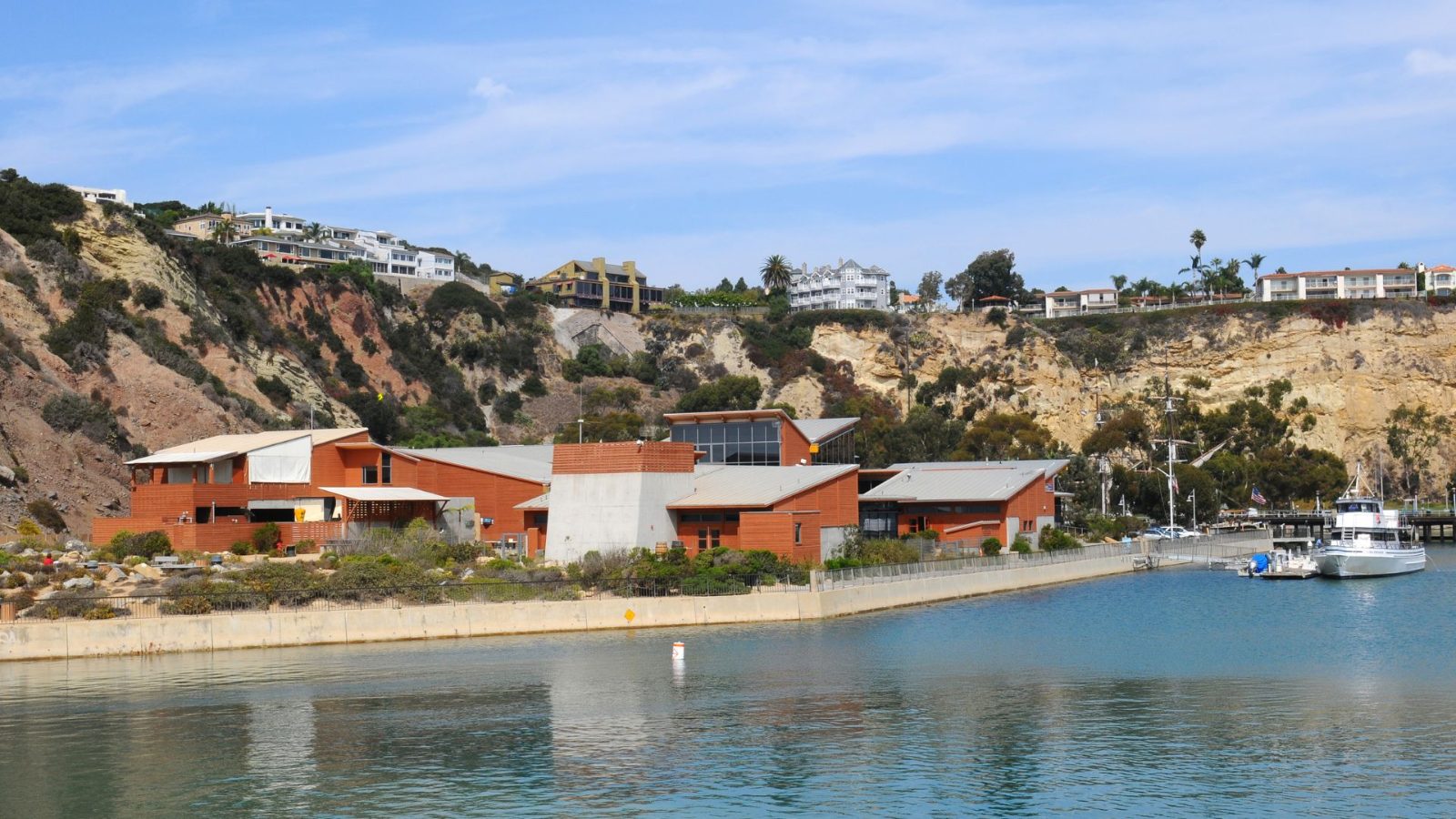
Ocean Institute
Extend your marine exploration at this ocean education center, which features interactive tidepool tanks, shark exhibits, and historic tall ship replicas. Located at the western end of the harbor, it offers a hands-on learning environment that perfectly complements a morning whale cruise.

Balboa Fun Zone
This classic coastal amusement area sits immediately next to the peninsula departure docks, featuring arcade games and a historic Ferris wheel. It provides an easy way for families to stay entertained while waiting for their scheduled boarding time.
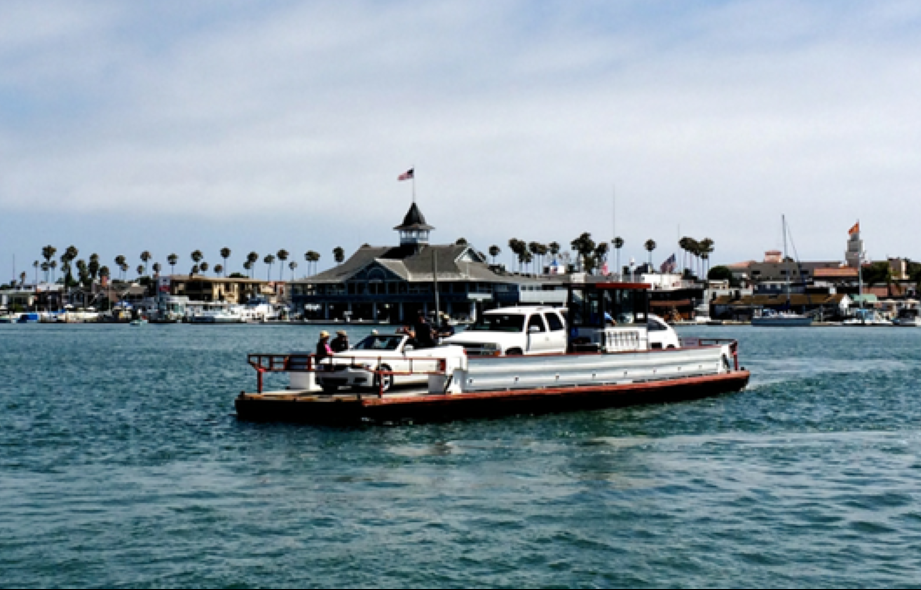
Balboa Island
Take the short ferry ride across the harbor to this nearby island to explore quiet residential streets, boutique shops, and scenic waterfront pathways. The brief boat crossing starts right next to the docks, creating a seamless addition to your Newport Beach cruise.
Check availability
Dana Point vs Newport Beach Whale Watching FAQ
Everything you need to know about dana point vs newport beach whale watching